01 Denture stabilisation
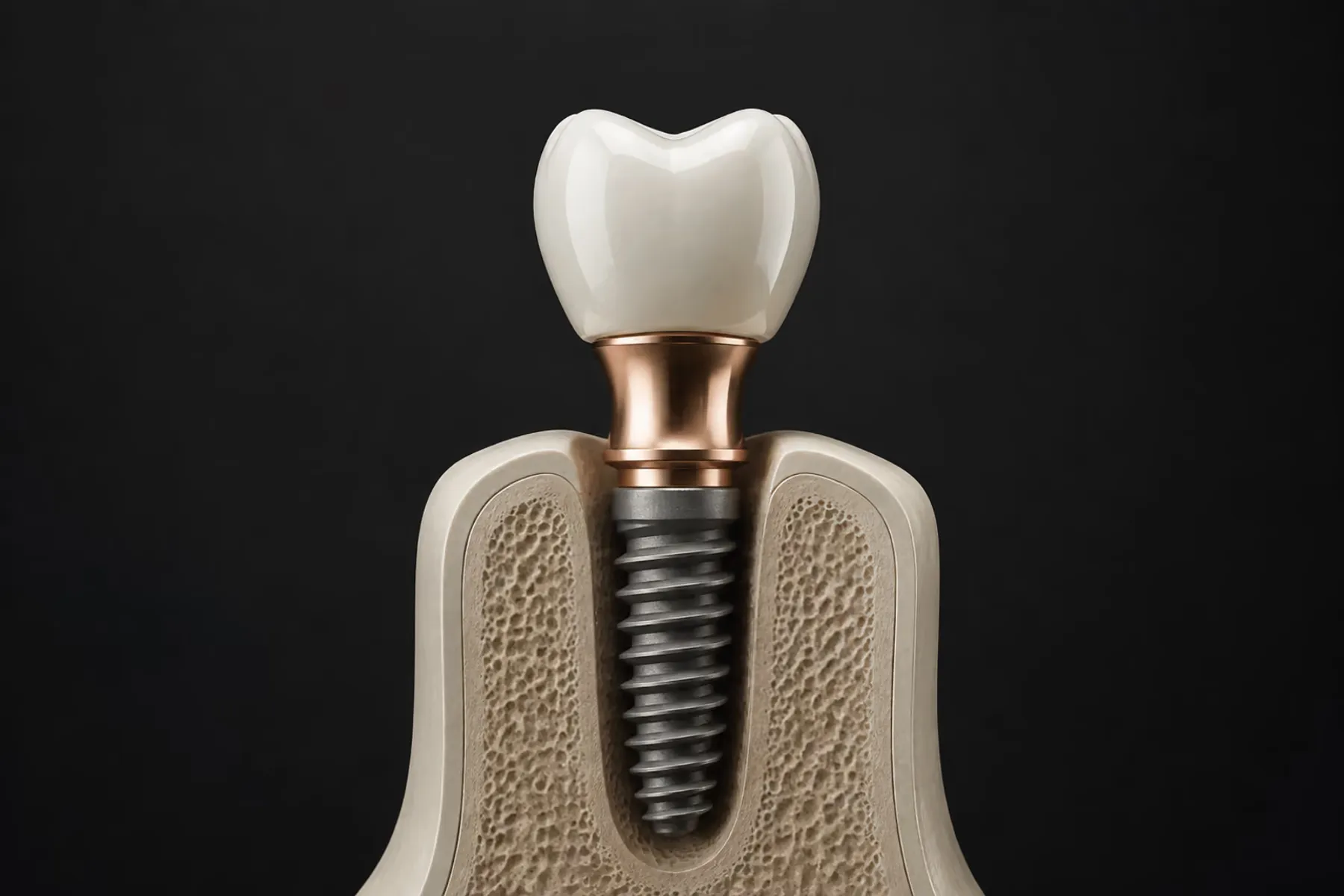
Implant-retained dentures that don’t move
Two to four implants that hold a denture firmly in place, at a fraction of the cost of a fixed arch.
- Cost
- From £5,900
- Typical range
- £5,900 – £7,800
- Time
- 3 visits over 4 months
This page covers one part of what we do. The full picture is on dental implants in Belfast.
02 Suitability
Are implant-retained dentures right for you?
A good fit if…
- You wear a full denture, particularly a lower one, and it moves
- You want the movement solved rather than the whole arch rebuilt
- You are comfortable with something that still comes out at night
- Cost matters and a fixed arch is out of reach
Probably not if…
- You want teeth that never come out — that is All-on-4, and it is a different price
- Your problem with the denture is how it looks rather than how it moves
- The ridge has shrunk so far that even two implants are difficult, which the scan will show
- You would find handling attachments awkward through poor dexterity or eyesight
03 Process
How it works
The full six-step process, including what happens after the teeth are fitted, is on the pillar page.
-
01 60 minutes
Consultation and 3D scan
We assess the denture you have as well as your jaw. Sometimes the denture itself is the problem and a new one solves it without surgery.
-
02 40–60 minutes
Placing the implants
Two implants at the front of the lower jaw, or four in the upper. Local anaesthetic. Your existing denture is adjusted so you can keep wearing it.
-
03 3 months
Healing
The implants integrate under the gum. You wear your adjusted denture throughout — nobody goes without.
-
04 2 appointments over 3 weeks
Attachments and new denture
Locator attachments are fitted to the implants and a new denture is made to seat onto them precisely.
04 The price
What’s included
From £5,900
Typically £5,900 – £7,800. 3 visits over 4 months.
- CBCT scan and written treatment plan
- Two to four implants
- Locator attachments
- A new denture made to fit the attachments
- Adjustment and reline of your existing denture during healing
- Two review appointments in the first year
- Five-year guarantee on the implants
05 In detail
The lower denture problem
Upper dentures mostly work. The palate gives a broad surface for suction, and a well-made upper denture will stay up for most people most of the time.
Lower dentures are a different matter, and the difficulty is anatomical rather than a question of craftsmanship. There is no palate to grip. The tongue sits inside the horseshoe and lifts it from below. The cheeks and lips push it from outside. And the ridge it sits on is the part of the jaw that shrinks fastest once the teeth are gone — after fifteen or twenty years there can be very little ridge left at all.
Patients who have had three or four lower dentures made are often told that this one will be better. Occasionally that is true. Frequently the denture is not the problem, and no amount of remaking will fix an absence of ridge.
What two implants actually change
Two implants at the front of the lower jaw, with locator attachments, hold the denture down. Simple as that sounds, the effect is out of proportion to the size of the intervention.
The denture stops lifting at the front when you bite, which is what makes it rock at the back. It stops rotating when you talk. Adhesive becomes unnecessary. Most patients tell us the food they missed most was not steak but apples and toast, and both come back.
What it does not do is make the denture fixed. It still rests on the gum, so it still transmits some load to the ridge, and it still comes out at night. Being precise about that is important, because the disappointment we occasionally see comes from somebody who expected implants and understood locators.
Why the attachments need looking after
The locators work through a small nylon insert inside the denture that grips a stud on the implant. That nylon wears — it is designed to, in the same way a brake pad is designed to.
They are replaced about once a year, take ten minutes, and cost very little. If they are not replaced, the denture gradually gets looser and people conclude the treatment has failed, when in fact a consumable part has simply worn out. It is worth knowing this before you start, and it is written into the plan rather than mentioned later.
The upper jaw, and the palate
For upper dentures the calculation is different, because the thing most patients want gone is the plate across the roof of the mouth. It dulls taste, it can trigger gagging, and it is the single most common complaint about wearing an upper denture.
Removing it requires the denture to be supported entirely by implants, which in practice means four rather than two, and good bone at the front where the sinus is not in the way. Where that is possible, the effect on how food tastes is the change patients mention most.
Where it is not — usually because grafting would be needed first — we would rather keep the palate and give you a denture that stays put than promise a horseshoe shape that will rock.
06 A case
The lower denture that would not stay put
A full lower denture worn for eleven years that had never been stable, and was getting worse.
- Treatment
- Implant-retained denture, lower arch
- Time
- 4 months, 3 visits
- Cost
- £6,300
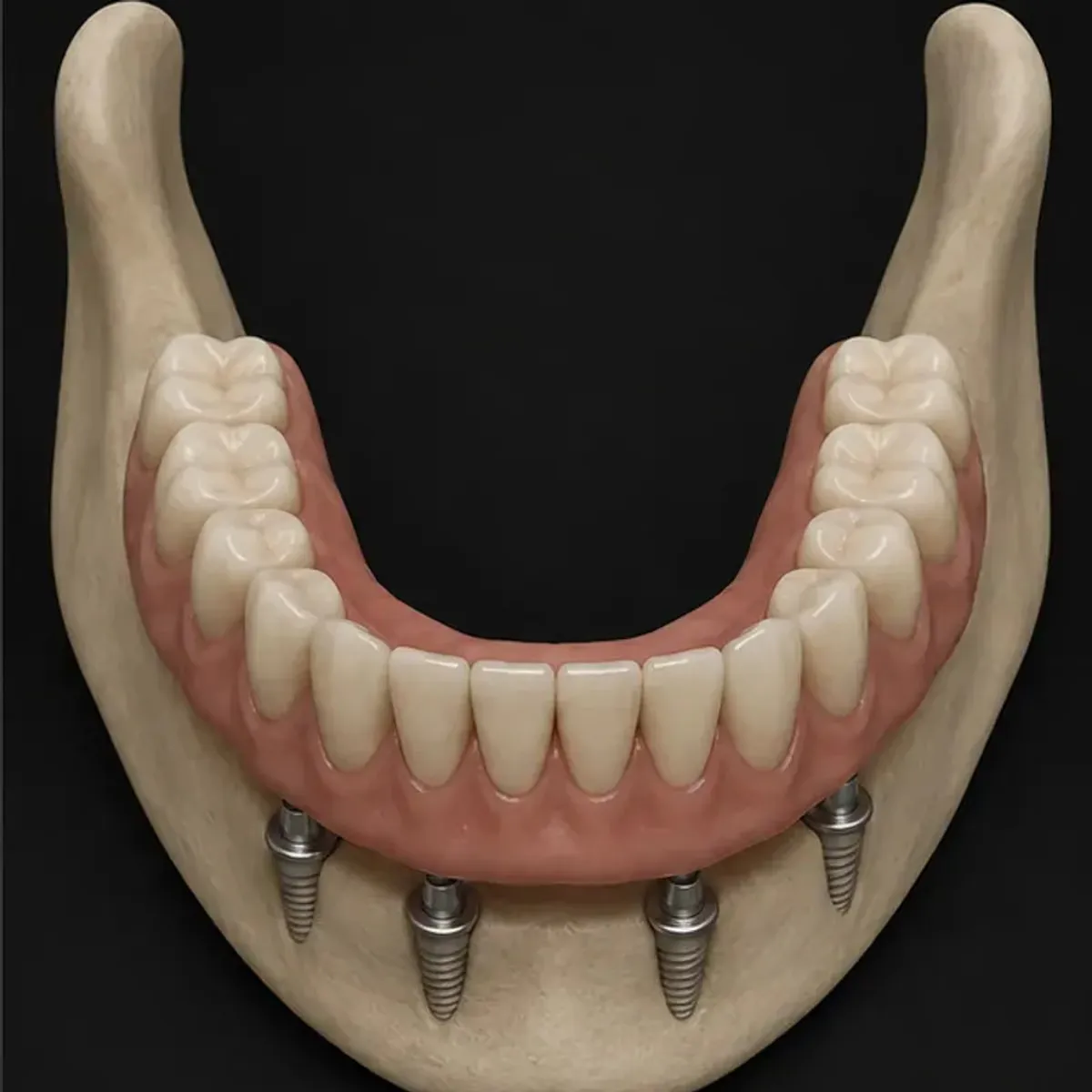
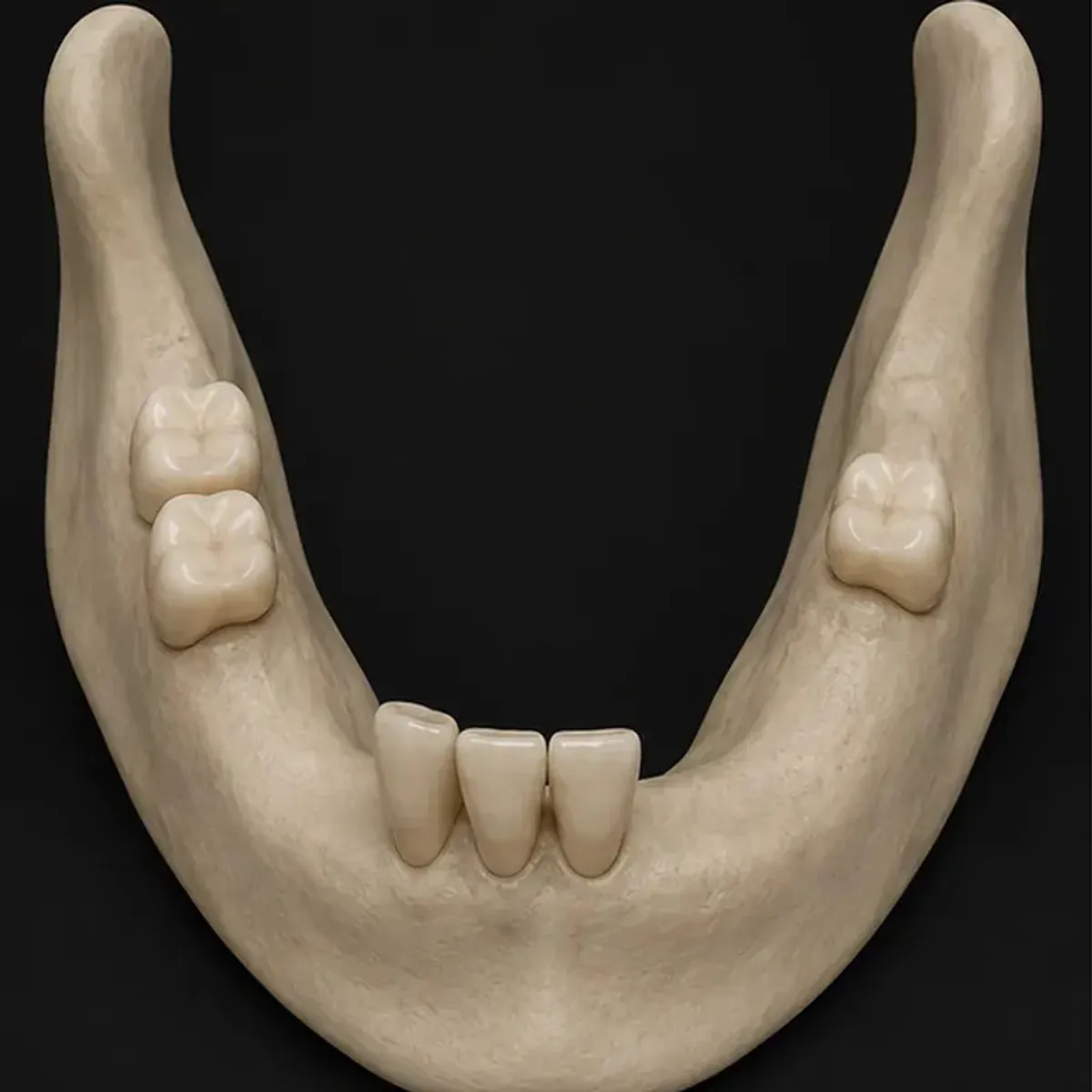
Illustrative example — not a photograph of a patient.
07 Alternatives
What we’d also mention
We would rather you chose the right treatment than the one on this page.
All-on-4
Teeth that are fixed in place and never come out, for around double the cost. If what troubles you is the denture coming out at night, or the plate across your palate, this is the treatment that solves it. If it is the movement, locators solve that for less.
A new conventional denture
Around £1,600 and worth ruling in or out first. A well-made new upper denture often works perfectly well. A lower denture on a shrunken ridge usually will not, however well it is made — and we would rather tell you that than take payment for a fourth attempt.
01 Does the denture still come out?
Yes. You take it out at night and to clean it, and it clips back in with a definite snap. What changes is that it does not lift, rock or drop while you are eating or talking. If you want teeth that stay in permanently, that is All-on-4 and it costs roughly twice as much.
02 Can you use my existing denture?
Sometimes, if it fits well and the teeth are not worn. More often we make a new one, because a denture that has been worn for years has adapted to a ridge that has since changed shape, and clipping it onto implants transmits every imperfection in that fit. The price on this page includes a new denture.
03 How many implants do I need?
Two in the lower jaw is the standard and works well, because the bone at the front of the lower jaw is dense and the denture needs only to be stopped from lifting. Uppers usually need four, since there is more denture to hold and softer bone to hold it in.
04 Will it stop covering the roof of my mouth?
With four implants in the upper jaw, usually yes — the palate can be cut away, which most patients say transforms how food tastes. With two, the palate generally has to stay for support. It is one of the first things we discuss for an upper case.
Related treatments

Karen Doherty · Treatment coordinator
Not sure where to start?
Karen will talk you through the options — what your situation usually needs, what it costs and what it involves. A callback is free and carries no obligation; the consultation, with the examination and 3D scan, is £95.
Not ready to speak to anybody? Download the price guide (PDF) — every figure we charge, on one page.
Or ring the clinic directly on 028 9649 6180.